
Where Copper Flows,
Britain Grows
Copper quietly supports the systems that power and protect Britain. If steel is the backbone of our buildings, then copper forms the circulatory system.
Britain is embarking on its largest renewal of infrastructure in a generation, backed by £725 billion and a national commitment to upgrade energy, water, and healthcare systems. In this pivotal overhaul, copper is the unseen hero, quietly essential to safe homes, reliable hospitals, and sustainable growth. Like veins and arteries, copper runs hidden within our walls and floors. Carrying power, heat and water to where it’s needed most.
With remarkable properties that include fire resistance, antimicrobial protection, and endless recyclability, copper stands out as the material that delivers lasting value and safeguards public wellbeing. By making copper central to planning and investment, Britain sets the foundations for a future that is resilient, efficient, and secure.
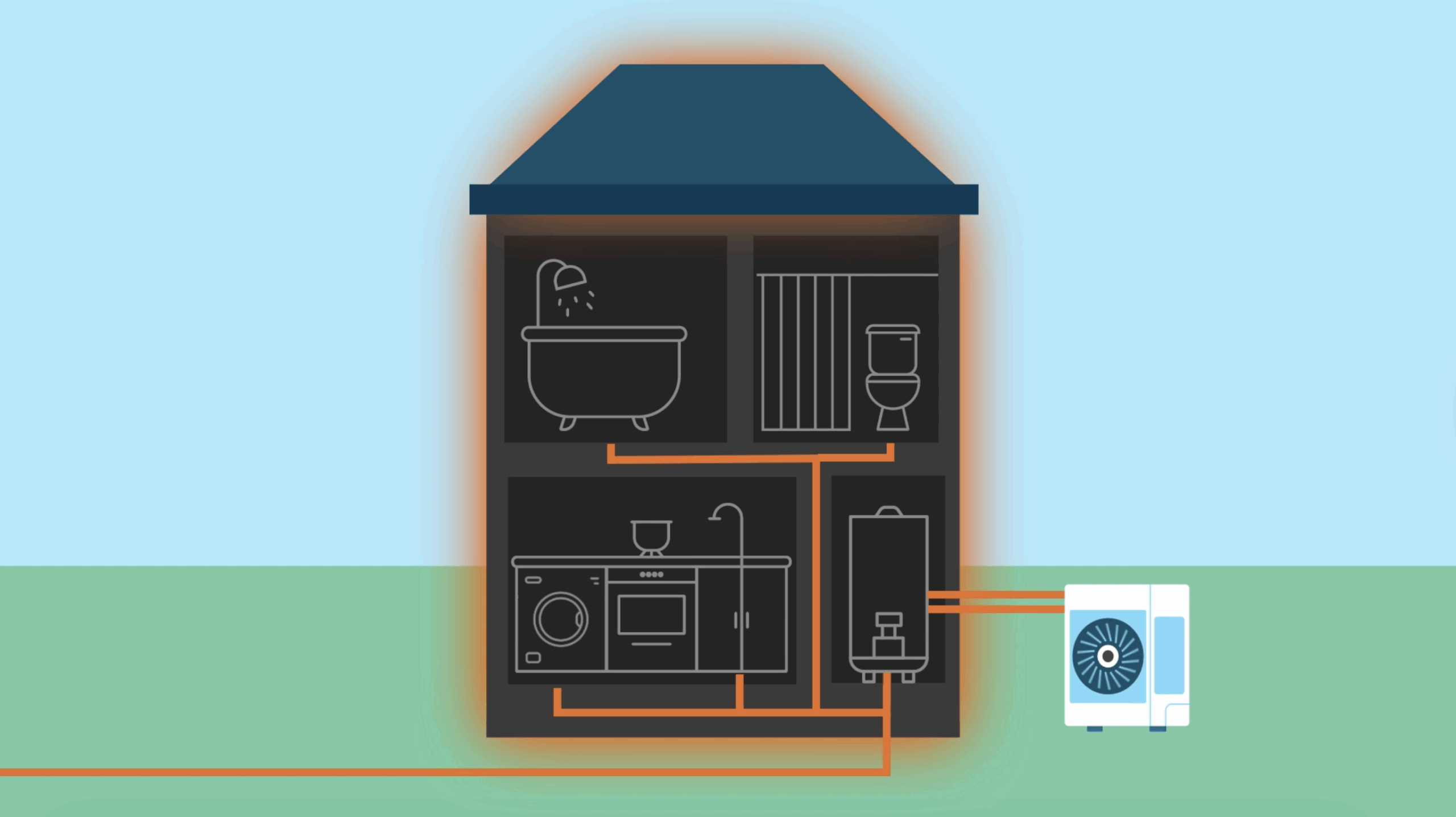
Keeping Homes Warm and Green
Heat pumps are transforming how homes across Britain are heated, offering an efficient, low-carbon alternative to traditional systems. The key to unlocking their performance lies in copper pipes, which conduct heat quickly and reliably. By pairing heat pumps with copper, homeowners enjoy lower energy bills and shrink their carbon footprint, all while relying on a material that’s endlessly recyclable and built to last. Copper pipes do not crack or degrade, ensuring warmth stays in the home year after year.

Powering Infrastructure, Businesses and Data Centres
Beyond the front door, copper supports everything from national transport systems to the digital networks driving British business. Copper keeps trains, buses and electric vehicles running safely, delivering energy and control for critical infrastructure. In offices and data centres, copper’s unmatched efficiency and cooling properties are meeting the growing power demands of artificial intelligence, helping to manage heat and energy use behind the scenes. Its durability and recyclability support sustainable growth, keeping business operations resilient while reducing environmental impact.
Safeguarding Health in Hospitals
Copper is the lifeline running through our hospitals, trusted to deliver oxygen and medical gases safely every hour of the day. Its antimicrobial qualities protect patients by preventing contamination and bacterial growth in clinical environments. In wards and operating theatres, copper pipes stand out for maintaining air and water quality, making hospitals cleaner and safer for staff and patients alike. The reliability and purity of copper are essential for protecting public health and ensuring lifesaving care is there when it’s needed most.
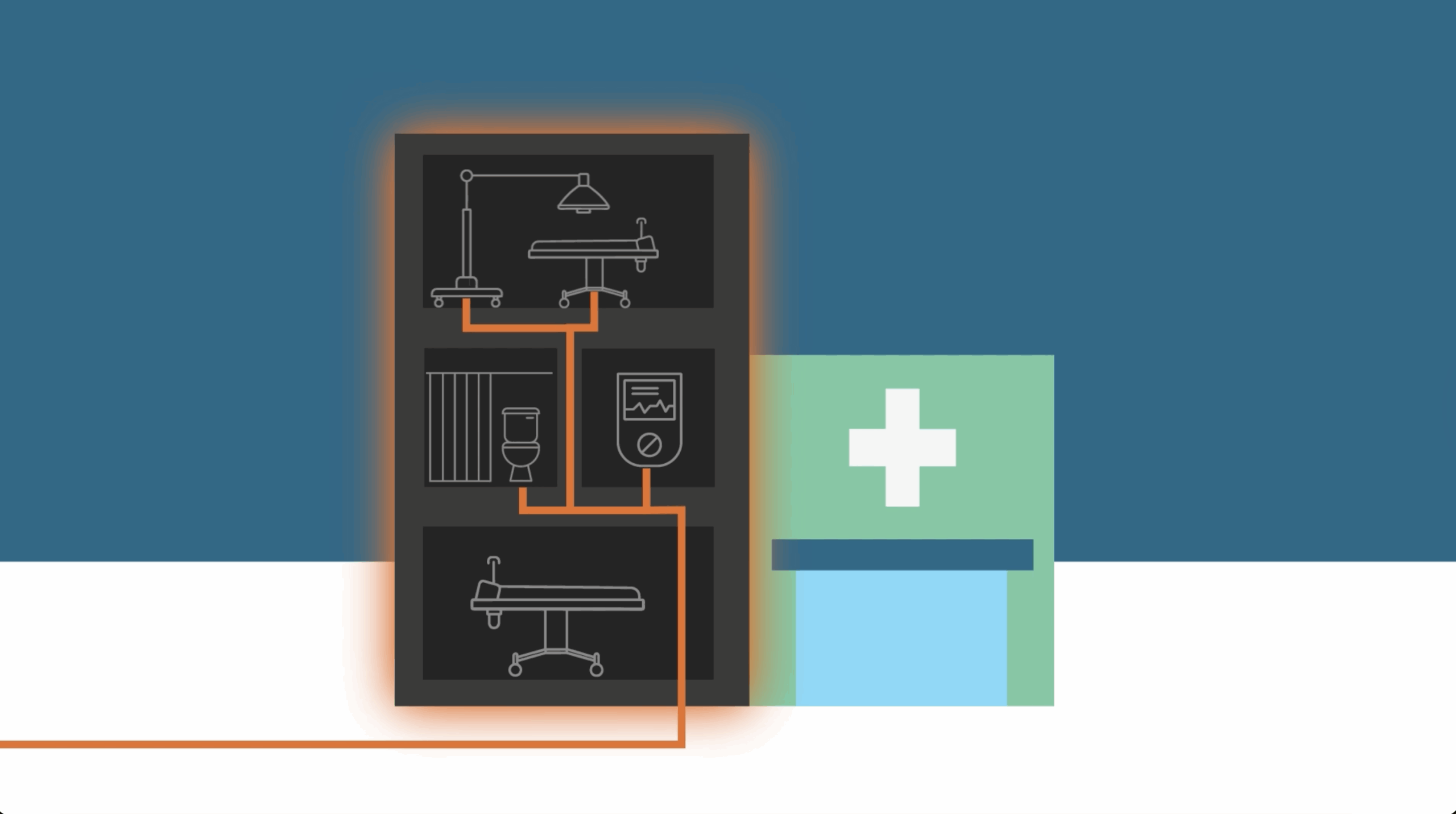
Copper is the circulatory system of our built world. The unseen veins and arteries running through our homes, hospitals and businesses, copper works quietly in the background, carrying energy, heat and connectivity. It provides a vital function we depend on every day, supporting safety, efficiency and sustainability across all parts of modern life. To explore the full story, including detailed case studies and expert recommendations, download the whitepaper below and discover how copper is shaping Britain’s infrastructure for generations to come.
Copper in Construction
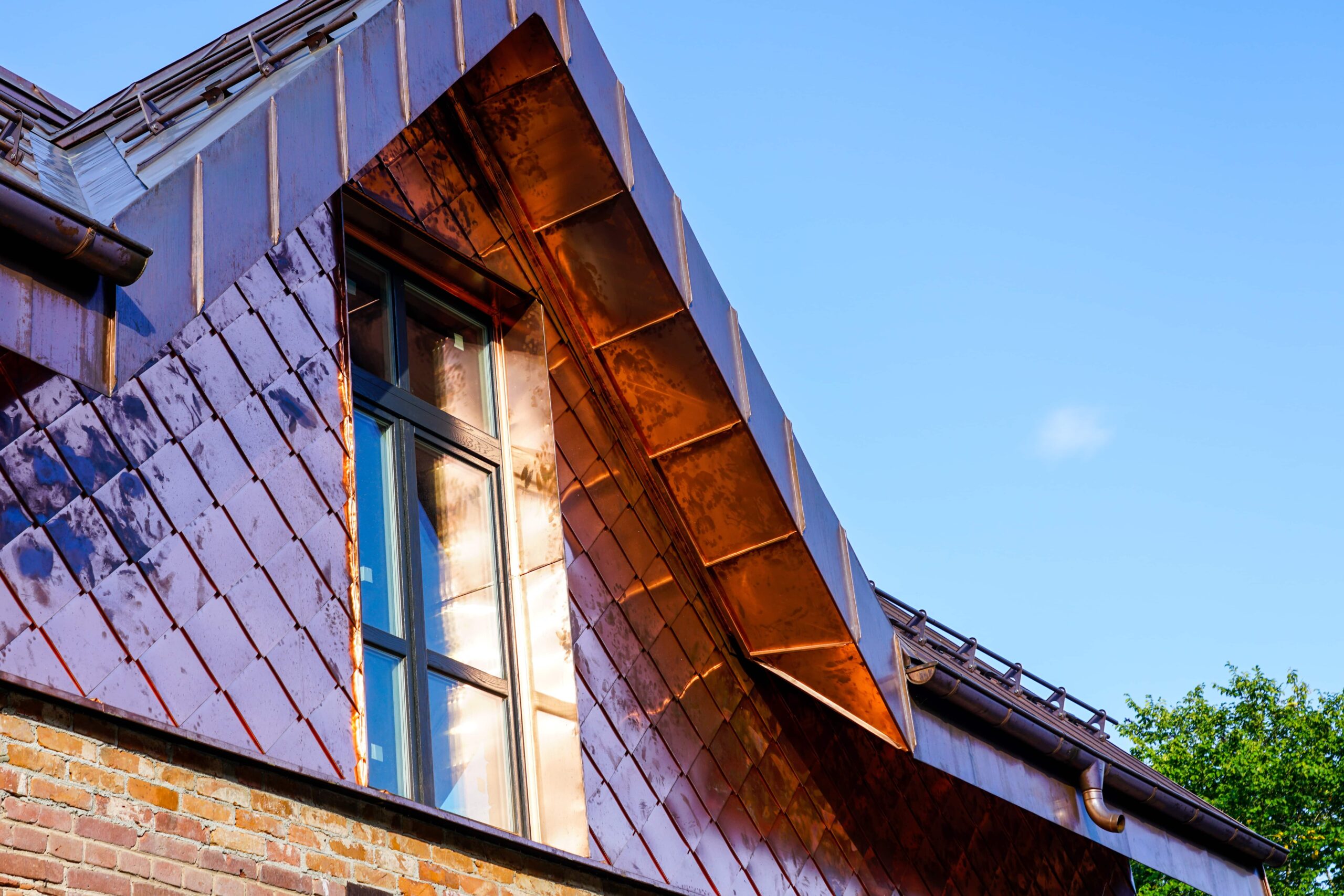
As the first metal manipulated and used by humans, copper has played a pivotal role in our development, driving innovation across a range of industries.
The demand for copper in construction is arguably greater than ever before, with the urgency of the climate crisis calling for sustainable building materials like copper that meet the needs of the circular economy.
The Circular Economy

Globally, more than 2 billion tonnes of municipal waste are generated every year, with this figure set to rise to 3.4 billion tonnes by 2050. Industrial activity accounts for roughly one-fifth of the world’s carbon emissions.
The time has come to embrace a circular and more sustainable economic model that meets our present needs without compromising those of the future.
Sustainable Construction
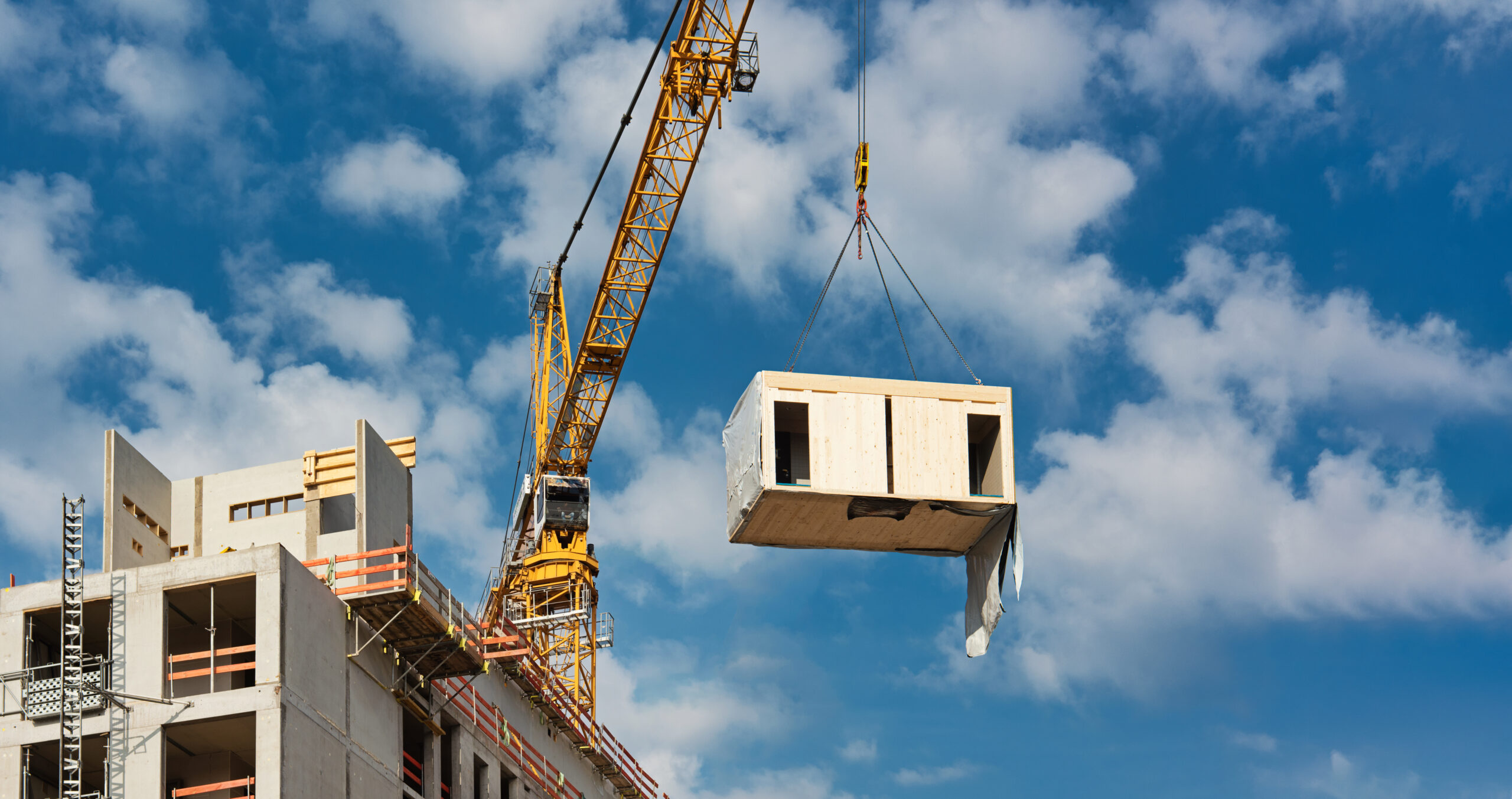
Sustainable construction is about minimising the negative impacts of construction projects and restoring the harmony between the built environment and the natural world.
Environmental considerations are key to sustainable construction, but it also encompasses social and economic factors like health and safety and resource efficiency.